
This how to start a podcast guide explains how to plan, record, and publish a podcast in a simple, realistic way. A podcast is an audio show that listeners can hear on a phone, computer, or smart speaker. You do not need a studio or expensive equipment to begin, but you do need a clear topic, a regular routine, and patience.
Podcasts grow slowly for most beginners. Early episodes may have a small audience, and that is normal. Success usually comes from consistent publishing, clear audio, and topics that genuinely help or interest listeners. Avoid promises of quick fame or income, and focus on making each episode a little better than the last.
How to start a podcast: choose a clear topic and format
Start with a topic you can talk about for many episodes. A narrow topic, such as beginner gardening, local history, or simple personal finance basics, is easier to grow than a show about everything. Listeners should understand your show from its title and description in a few seconds.
Next, choose a format. Solo shows are simple to record, while interviews bring new voices and ideas. You can also mix formats, for example a short solo tip episode and a longer interview episode. Keep early episodes short, perhaps 15 to 30 minutes, so recording and editing stay manageable.
Plan a simple episode structure: a short introduction, two or three main points, and a clear ending. Write bullet points rather than a full script, so you sound natural while staying on topic. A consistent structure also helps listeners know what to expect.
Equipment, recording, and editing basics
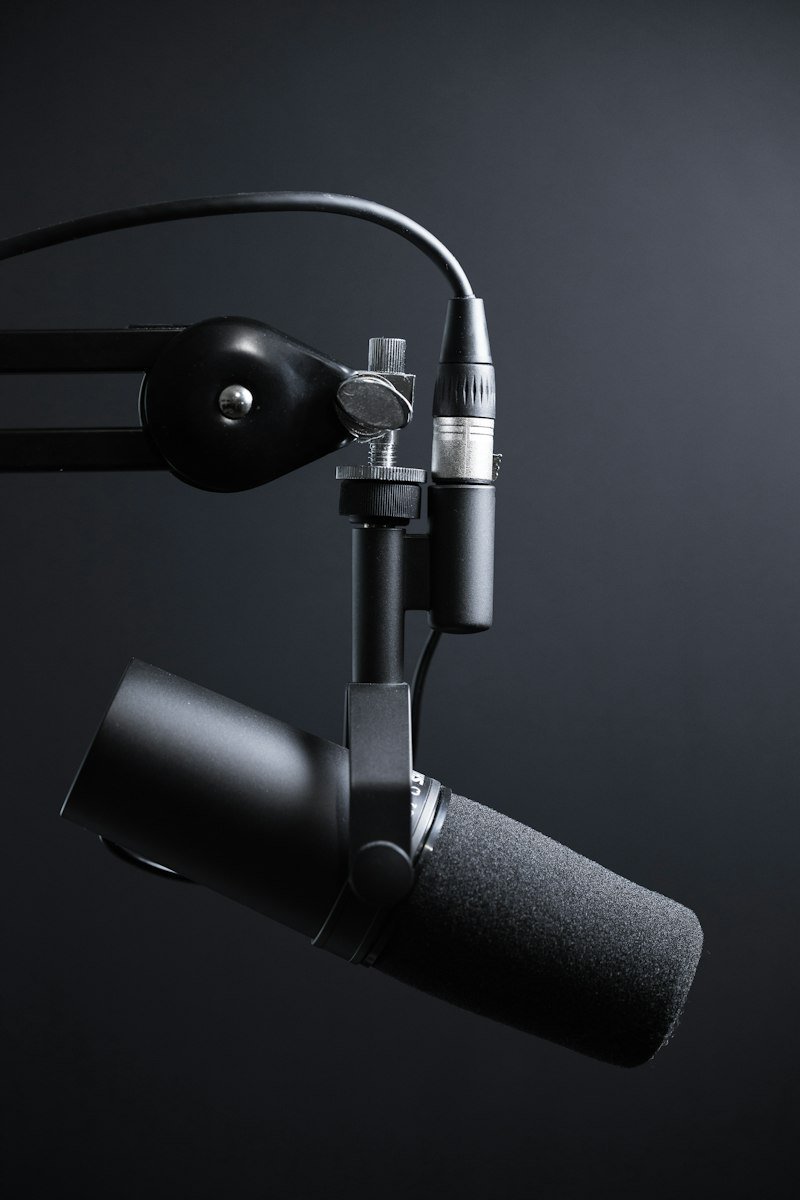
For beginners, a good USB microphone, headphones, and a quiet room are usually enough. Record in a small room with soft furnishings, close windows, and turn off noisy fans. Speak at a steady distance from the microphone, and test a short recording before a full episode.
Free or low-cost editing software can remove long pauses, reduce background noise, and adjust volume. Edit for clarity, not perfection. Remove mistakes that confuse listeners, but do not spend hours trying to make every sentence flawless. A natural, clear episode is better than a heavily edited one that sounds artificial.
Also create simple cover art and a short show description. Cover art should be readable at a small size, with a clear title and simple image. Your description should say who the show is for, what topics it covers, and how often new episodes appear.
Publishing and growing slowly
Most podcasts are distributed through a podcast hosting service, which sends your show to major listening apps. Choose a host with clear pricing, simple analytics, and an RSS feed you control. Publish your first few episodes close together, so new listeners can hear more than one episode.
Promote episodes where your listeners already spend time, such as social media, a blog, or an email list. Short clips, episode summaries, and honest show notes can help people discover your show. Ask listeners to follow the show and share it only if they find it useful, rather than using aggressive tactics.
Track simple metrics, such as downloads, episode completion, and listener feedback. Do not judge a show by one episode. Look for patterns over several weeks: which topics get more listens, which episodes listeners finish, and what questions they ask. Use that feedback to plan future episodes.
Can a podcast make money?
Some podcasts earn money through sponsorships, listener support, affiliate links, or related products, but income usually comes much later than beginners expect. A small, loyal audience can be more valuable than a large, uninterested one, especially if you offer useful products or services.
Do not start a podcast only for income. Start because you enjoy the topic and can publish regularly. If income grows, it will usually follow audience trust, consistent quality, and clear value. Be transparent about sponsorships and affiliate links, and only recommend products you genuinely believe are useful.
Also respect copyright and privacy. Use music and clips you have permission to use, get consent before recording guests, and avoid sharing private information about others. Simple legal and ethical habits protect your show as it grows.
Common mistakes to avoid
A common mistake is buying too much equipment before publishing a single episode. Start simple, publish regularly, and upgrade only when a clear need appears. Another mistake is publishing irregularly, which makes it hard for listeners to follow your show. Choose a schedule you can maintain, even if it is only once every two weeks.
Finally, avoid copying another show’s style or topics exactly. Learn from popular podcasts, but build your own voice, examples, and perspective. Originality and consistency are what turn a beginner podcast into a show listeners return to.
Frequently asked questions
How much does it cost to start a podcast?
You can start with a basic USB microphone, free editing software, and a low-cost hosting plan. Costs vary, but a simple setup is enough to learn recording and publishing.
How long should a podcast episode be?
Length depends on topic and format. Many beginner episodes work well at 15 to 30 minutes, while interviews may run longer. Focus on covering the topic clearly, not filling a set time.
Do I need video to start a podcast?
No. Audio-only podcasts are still popular. Video can help with discovery later, but it adds recording and editing work, so start with audio unless video is central to your idea.
For related guides, read our guide on how to make money blogging, our guide on how to start freelancing online, our guide on how to earn money from home, explore the Make Money Online section, and visit the AliDigitalTech homepage.
Finally, pick a topic, record your first episode, and publish it even if it is not perfect. Podcasting improves with practice, and a simple, consistent show is a strong place to start.