
Investment apps for beginners make it easier to start investing from a phone, often with small amounts and simple interfaces. They can be useful learning tools, but investing always involves risk, and values can go down as well as up. This beginner guide explains how investment apps work, what features to check, and how to use them more safely. This is general information only, not financial advice.
What Are Investment Apps?
Investment apps are mobile apps that let you buy and sell investments, such as shares, funds, or exchange-traded funds, often called ETFs. Some apps offer a wide range of investments, while others focus on simple portfolios or automated investing. Many apps also show charts, news, and account balances in one place.
An ETF is a fund that holds a collection of shares or other assets and can be bought and sold like a share. A fund may spread your money across many companies, which can reduce the risk of relying on a single company, although it does not remove risk. Some apps also offer savings-style products, bonds, or retirement accounts, depending on your country.
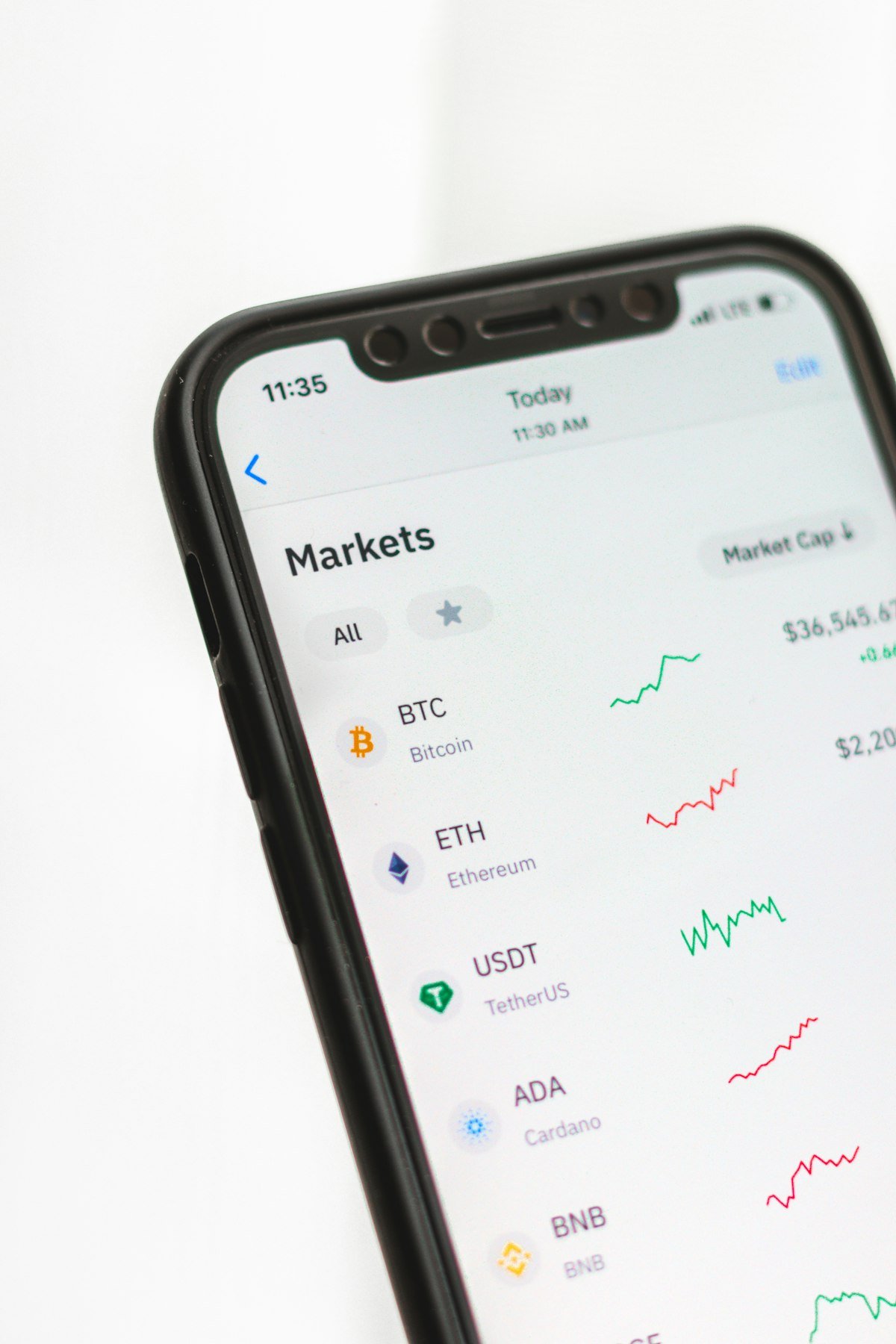
Investment apps make investing accessible, but they do not remove risk. Start by learning the basics and checking fees.
How Investment Apps Work
To use an investment app, you usually create an account, verify your identity, and link a bank account or payment method. Identity checks are normal and help prevent fraud. Once your account is funded, you can place orders to buy investments, and the app holds them in your account.
Some apps offer self-directed investing, where you choose each investment. Others offer automated portfolios, where the app selects a mix based on your goals and risk level. Automated options can be simpler for beginners, but you should still understand what you own, what fees you pay, and how much risk is involved.
Many apps also offer fractional shares, which let you buy part of a share rather than a whole one. This can help beginners start with smaller amounts, but it does not change the underlying risk. A small investment can still lose value.
Types of Investment Apps
Brokerage apps focus on buying and selling shares and funds. They may offer research tools, charts, and market news. Fees, investment choice, and customer support vary widely, so compare apps rather than choosing the first one you see advertised.
Automated investing apps, sometimes called robo-advisers, build and manage a portfolio for you. They usually ask about your goals, time horizon, and comfort with risk, then suggest a mix of funds. This can suit beginners who want a simple, long-term approach, but fees and investment choices still matter.
Some apps focus on a specific goal, such as retirement savings, education savings, or regular monthly investing. These apps may offer automatic contributions, which can help build a habit. However, automatic investing does not guarantee returns, and you should still review your account regularly.
Fees to Check
Fees can have a large effect over time, even when they look small. Check for account fees, trading fees, fund management fees, currency conversion fees, and withdrawal fees. Some apps advertise commission-free trading, but may still charge other fees, such as spreads or fund charges.
A spread is the difference between buying and selling prices. It is not always shown as a separate fee, but it can affect your return. Also check whether the app charges for inactivity, paper statements, or premium features you do not need.
Compare fees using the app’s fee schedule, not just marketing pages. If you cannot find clear fee information, that is a warning sign. A trustworthy app should explain its charges in plain language.
Risks Beginners Should Understand
Investment values can fall, sometimes quickly, due to market changes, company results, or wider economic events. Past performance does not guarantee future results, even if a chart looks steady. Beginners should only invest money they can afford to leave invested for a longer period, and should not use money needed for rent, bills, or emergencies.
Leveraged products, options, and other complex investments carry higher risk and can lose money faster. Beginners should avoid products they do not understand, even if they are promoted as exciting or fast-growing. If an app or influencer promises guaranteed returns, be cautious, because no legitimate investment can guarantee a return.
Diversification, which means spreading money across different investments, can reduce some risk, but it does not remove it. A diversified portfolio can still fall in a broad market decline. Time horizon matters too: money needed soon should usually not be invested in volatile assets.

Check fees, risks, and regulation before investing, and avoid products you do not understand.
Regulation and Safety Checks
Check whether the app and its provider are regulated in your country. In the United States, investment firms are often registered with regulators such as the Securities and Exchange Commission, and in the United Kingdom, firms are often authorised by the Financial Conduct Authority. Other countries have their own regulators, and rules differ.
Also check how your money and investments are held. Reputable firms usually keep client money separate from company money, and may offer investor protection up to a limit. Protection limits and rules vary by country and product, so read the app’s disclosures and do not assume all money is fully protected.
Security matters as well. Use a strong, unique password, turn on two-factor authentication, and be careful with public Wi-Fi when accessing financial accounts. Never share your login details with anyone, and be cautious of messages claiming to be from the app that ask you to log in through a link.
How to Start More Safely
Start by learning basic terms: shares, funds, ETFs, diversification, risk, and fees. Many apps offer free learning sections, and independent financial education resources can help. Take time to learn before investing larger amounts.
Set a clear goal and time horizon. Are you investing for a long-term goal, or do you need the money soon? Your goal affects how much risk may be suitable. Consider starting with a small amount you can afford to lose, and avoid borrowing money to invest.
Review your account regularly, but avoid checking prices constantly or reacting to every market move. Long-term investing usually works better with a calm, planned approach than with frequent trading based on news or social media.
Common Beginner Mistakes
One common mistake is following social media tips without research. A popular stock or fund may already be overvalued, or the tip may be outdated. Another mistake is putting all money into one investment, which increases risk if that investment falls.
Another mistake is ignoring fees and taxes. Trading often can increase fees, and selling investments may have tax effects depending on your country. Keep records of purchases, sales, and fees, and check tax rules or seek professional advice if needed.
Finally, avoid investing based on fear or excitement. Market falls can be stressful, and market rises can tempt people to invest more than they planned. A written plan, with goals and limits, can help you stay consistent.
Frequently Asked Questions
How much money do I need to start investing?
It depends on the app. Some apps allow small starting amounts or fractional shares, while others have higher minimums. Starting small can help you learn, but it does not remove risk.
Are investment apps safe?
Well-regulated apps with strong security can be safe to use, but investing itself is not risk-free. Check regulation, investor protection, fees, and security features before opening an account.
Can I lose money with an investment app?
Yes. Investment values can fall, and you may get back less than you invested. This is true for shares, funds, and ETFs, even when using a well-known app.
Should I use an automated investing app or choose investments myself?
Automated apps can be simpler for beginners, while self-directed apps offer more control. The right choice depends on your knowledge, time, and comfort with risk. In both cases, understand fees and what you own.
For related guides, see Task Reward Apps Explained: How They Work and What to Check and Drones in 2026: A Simple Beginner Guide to Uses and Rules. You can also browse the Earn Money Apps category or return to the AliDigitalTech homepage.
In short, investment apps can make investing more accessible, but they require careful checks on fees, regulation, risk, and security. Learn the basics, start small, avoid guaranteed-return claims, and consider professional advice for important financial decisions.
Pingback: Cashback Apps Explained: How They Work and What to Check - AliDigitalTech