
Robot vacuums in 2026 are no longer a novelty for tech fans. They are practical home helpers that clean floors on a schedule, reach under furniture, and return to charge by themselves. For busy households, people with pets, and anyone who dislikes daily vacuuming, a robot vacuum can save real time, but only if you choose one that suits your floors, your home layout, and your tolerance for setup.
How Robot Vacuums Work in 2026
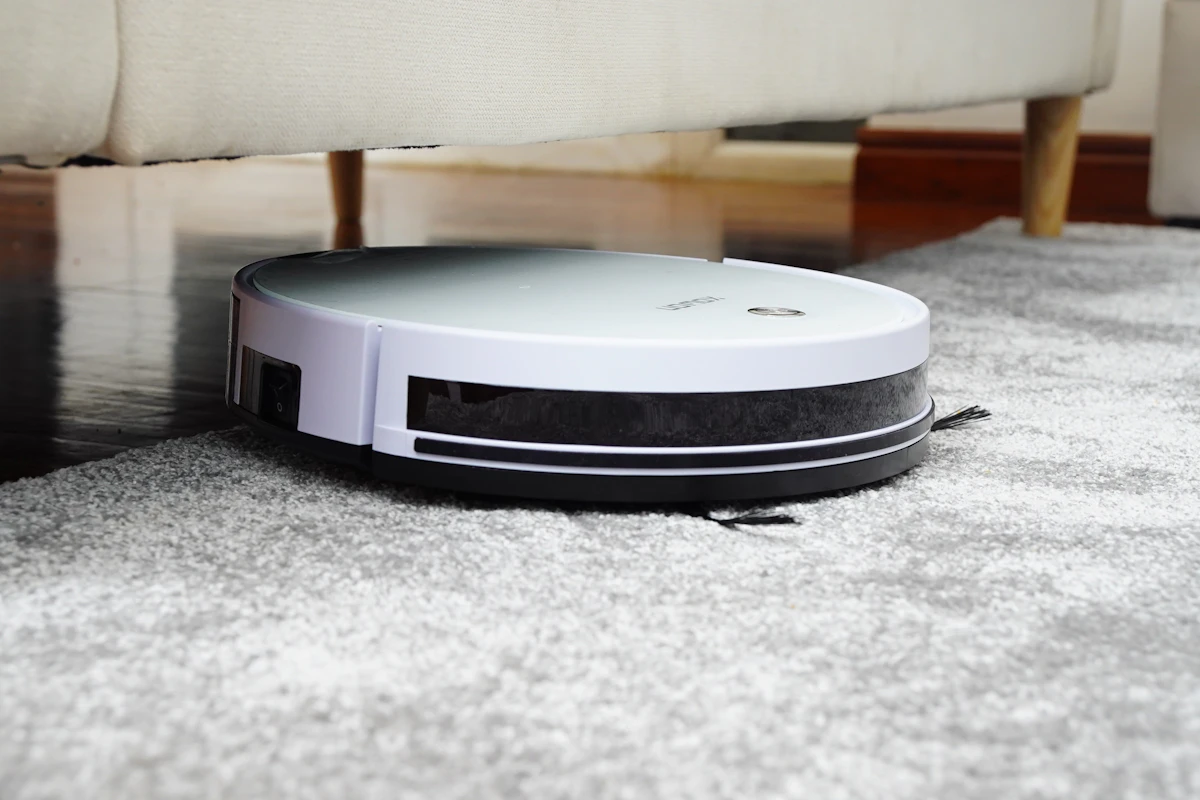
A robot vacuum uses brushes, suction, and sensors to clean a floor in a planned path. Basic models move in a simple pattern and bump gently into obstacles. More advanced models map your home with cameras or lasers, remember room layouts, and clean in neat rows instead of wandering. That mapping is the biggest difference in daily use. A mapped robot usually cleans faster, misses fewer spots, and lets you send it to one room, set no-go areas, and schedule different rooms on different days.
Most robot vacuums also have cliff sensors to avoid stairs, dust sensors for dirty spots, and a dock where they recharge. Some return to the dock, empty their own dustbin into a larger bag, and then continue cleaning. That self-emptying feature is convenient, especially in homes with pets or lots of dust, but it adds cost and the dock takes more space. Before you pay extra, think about how often you are willing to empty a small bin yourself. For a small flat, manual emptying takes seconds. For a large home with pets, self-emptying can be a genuine time saver.
Choosing for Your Floors, Pets, and Home Layout
Floor type changes what matters. Hard floors are the easiest for any robot vacuum, because dust sits on the surface and brushes can reach it. Low-pile carpets also work well with most models. Thick, high-pile carpets need stronger suction and a brush that does not tangle easily, so check the model rating for carpet rather than trusting a headline suction number. If your home mixes hard floors and rugs, look for a robot that adjusts suction automatically and can climb small rug edges without getting stuck.
Pets add hair, dander, and the occasional accident to the job. A brush designed to resist tangles, a larger dustbin, and a filter you can wash or replace cheaply will save time. Some models now avoid pet waste and small objects using cameras, which can prevent a very messy accident. That feature is worth considering if pets roam freely, but remember that camera models collect images of your home, so check privacy settings and whether mapping data stays on the device or in the cloud.
Mapping, Mopping, and App Controls
Mapping is useful, but it needs a little setup. On the first run, clear cables, small toys, and loose rugs if you can, and let the robot complete a full map. After that, you can name rooms, set cleaning zones, and block areas such as a pet bowl corner or a room with delicate items. If you do not want a camera in your home, choose a laser-based model or a simpler model without mapping, and accept that it will clean less efficiently.
Many robot vacuums in 2026 also mop. A basic mop pad drags a damp cloth behind the vacuum and suits light dust on hard floors. A more advanced mop lifts on carpet, washes its own pads, or uses rotating pads for stuck-on marks. Do not expect a robot mop to replace a deep manual mop for a very dirty kitchen floor, but for daily upkeep it can keep hard floors looking clean between deeper cleans. Always check whether the mop can avoid carpets automatically, or you may end up with damp rugs.
Battery, Noise, and Running Costs
Battery life is usually enough for a flat or a single floor, but large homes may need a robot that recharges and resumes cleaning where it left off. That resume feature matters more than a slightly larger battery, because it lets the robot finish the job without you starting it again. Noise is another daily factor. Most robot vacuums are quieter than an upright vacuum, but they still make a clear hum, especially on carpet or at high suction. If you work from home or have a sleeping baby, a quiet mode and a schedule that runs while you are out can help.
Running costs are easy to miss. Filters, brushes, mop pads, and dust bags for self-emptying docks all need replacing. Check the price and availability of these parts before buying, because a cheap robot with expensive consumables can cost more over two years than a slightly dearer model with cheaper parts. Also check how long the maker promises app and security updates. A robot that loses app support may still clean with a button, but you could lose mapping, schedules, and room controls.

A Simple Buying Checklist
Start with your home. Note your floor types, number of rooms, pets, stairs, and any areas to avoid. Then decide what matters most: mapping, mopping, self-emptying, quiet running, or a low price. Check that the robot fits under your furniture and can climb thresholds between rooms. Measure the dock space, especially for self-emptying models, and make sure the dock has power nearby and room around it for the robot to return easily.
Common mistakes include buying the most powerful model for a small flat, ignoring consumable costs, and expecting a robot to clean corners and stairs perfectly. Robot vacuums are best for open floors and daily upkeep. Corners, stairs, and deep carpet dirt still need occasional manual cleaning. Used with that expectation, a robot vacuum can keep floors consistently clean with very little effort from you.
Frequently Asked Questions
Can a robot vacuum clean stairs?
No. Robot vacuums clean flat floors and use sensors to avoid falling down stairs. Stairs still need a handheld or upright vacuum, or a separate cleaning routine.
Do robot vacuums work in the dark?
Laser-based models usually work in low light, because they do not rely on a camera image. Camera-based models may clean less accurately in a dark room, so leave a light on if your model uses a camera for navigation.
Is a self-emptying dock worth it?
It is worth it if you have pets, a large home, or allergies, and you dislike emptying a small bin often. For a small home with little dust, a standard bin is usually enough and the dock takes less space.
How often should I run a robot vacuum?
Daily or every other day works well for pet hair and high-traffic areas. For a quiet home with hard floors, two or three runs a week may be enough. A regular schedule keeps dust low without wearing parts out quickly.
For related guides, explore Tablets in 2026 and Wearable Technology in 2026, or browse the Trending Tech News category and the AliDigitalTech home page.
Robot vacuums in 2026 work best when you match the model to your floors, pets, and home layout. Choose mapping if you want room control, mopping if you have hard floors, and a self-emptying dock only if it saves you real time. With the right choice, daily floor cleaning becomes one less job to think about.