
Proofreading jobs online are a practical way for careful readers to earn money from home, but they are not simply about spotting spelling mistakes. A proofreader checks a finished document for errors in grammar, punctuation, spelling, consistency, and formatting before it reaches readers. Clients may be authors, businesses, students, website owners, or publishers, and each one expects a clean, professional result. This guide explains what proofreading jobs online involve, which skills matter most, how tests usually work, and how beginners can start without making exaggerated claims about income.
Before you apply for proofreading jobs online, it helps to understand the difference between proofreading and editing. Editing often changes structure, clarity, and wording. Proofreading is usually the final check. You are looking for what remains after editing: typos, repeated words, missing punctuation, inconsistent names, incorrect dates, and formatting problems. That distinction matters, because clients hire proofreaders to protect their credibility, not to rewrite their work. If you enjoy reading closely, noticing small details, and working quietly and carefully, proofreading may suit you better than faster, more creative freelance work.
Proofreading jobs online: what the work actually looks like
Most proofreading jobs online arrive as documents, web pages, reports, course materials, resumes, or book manuscripts. You may work in a word processor, a shared document, or a specialist platform. The client usually gives a style guide, a deadline, and instructions about what to check and what to leave alone. For example, a business may ask you to follow American spelling, while a UK client may prefer British spelling. A fiction author may ask you to keep their voice and dialogue style unchanged, even when a sentence looks unusual. Following instructions is therefore just as important as finding errors.
Deadlines vary widely. Some jobs take less than an hour, while a book manuscript can take days or weeks. Beginners should start with short documents, because they reveal how long careful proofreading really takes. Reading slowly, checking names and numbers twice, and reviewing your own changes all take time. A realistic workflow is to read the whole document once for meaning, then read it again more slowly for errors, and finally check headings, lists, captions, and references separately. That method helps you catch mistakes that a single fast read would miss.

Skills you need for proofreading jobs online
The most important skill for proofreading jobs online is attention to detail. You need to notice a missing comma, a doubled word, a capital letter that should be lowercase, or a heading that does not match the table of contents. Strong grammar and spelling knowledge helps, but you do not need to memorize every rule at the start. You do need to know how to check a rule, use a reliable dictionary, and apply a style consistently throughout a document. Consistency is often what separates a careful proofreader from a casual reader.
Other useful skills include time management, clear communication, and basic technology skills. You should be comfortable using track changes or comments, working with different file formats, and keeping client files private. You should also be able to explain a correction politely and briefly, rather than rewriting a sentence without explanation. Clients appreciate proofreaders who are accurate, discreet, and easy to work with. If you are unsure about a change, flag it as a query instead of guessing. That habit protects both you and the client.
How proofreading tests usually work
Many platforms and clients ask beginners to complete a proofreading test before offering paid work. A test usually contains a short document with deliberate errors. You may be asked to correct spelling, grammar, punctuation, and formatting, and sometimes to explain a choice. Tests are not designed to be perfect on the first try for everyone, but they do show whether you read carefully and follow instructions. Read the instructions twice before you start, and do not rush through the test to finish quickly.
To prepare, practice with your own writing, articles, and public-domain texts. Try proofreading a page, leaving it for a day, and then checking it again. You will often find errors you missed the first time, and that is normal. Practice with both American and British spelling if you plan to work with clients in the United States and the United Kingdom. Keep a short personal checklist of your common mistakes, such as confusing their and there, missing apostrophes, or inconsistent hyphenation. A checklist makes your work more reliable over time.
Where beginners can look for proofreading work
Beginners can look for proofreading jobs online through freelance marketplaces, specialist proofreading services, publishers, and direct clients. Each route has trade-offs. Marketplaces can provide regular short jobs, but competition is strong and rates vary. Specialist services may offer tests and steady work, but they may also set strict quality standards. Direct clients, such as small businesses or independent authors, can become long-term relationships, but finding them takes outreach, samples, and patience. There is no single route that guarantees income, and results depend on skill, reliability, and demand.
When you apply, keep your pitch short and honest. Explain what you proofread, what tools you use, how you handle deadlines, and what sample work you can show. Avoid claiming experience you do not have. Instead, offer a short paid trial or a sample edit of a few hundred words, if the client agrees. A small, well-done sample is more convincing than a long list of promises. Also check payment terms, revision expectations, and confidentiality before you accept a job, so there are no surprises later.
Setting up a simple proofreading workflow
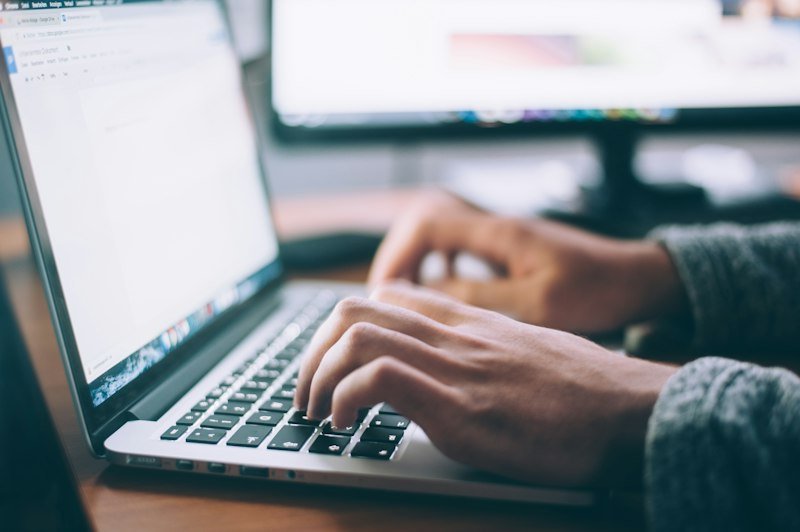
A simple workflow makes proofreading jobs online easier and more professional. Start by saving the original file, confirming the deadline, and asking about the preferred spelling style. Next, read the instructions and style guide before you make any changes. Then proofread in passes, as described earlier, and keep a list of queries for the client. Finally, do a last check for headings, page numbers, links, and formatting, and deliver the file with a short summary of what you changed. This structure helps you stay organized even when a document is long or complex.
You will also need a quiet workspace and a realistic schedule. Proofreading requires concentration, so short breaks can help you return with fresh eyes. Avoid accepting more work than you can complete carefully, especially at the beginning. It is better to deliver one excellent document on time than to rush three documents and miss errors. Over time, you will learn how many words you can proofread per hour, but that number varies with document difficulty, formatting, and the number of errors. Do not compare yourself too closely with other proofreaders, because their work and clients may be very different.
Common mistakes beginners should avoid
One common mistake is changing an author’s voice. Proofreading is not an invitation to rewrite every sentence in your own style. Unless the client asks for editing, keep changes limited to errors, consistency, and clarity. Another mistake is relying only on spellcheck software. Software can miss wrong words that are spelled correctly, such as form instead of from, and it can also suggest changes that do not fit the context. Use software as a helper, not as a replacement for careful reading.
Beginners also sometimes ignore formatting. A document can have perfect grammar and still look unprofessional if headings are inconsistent, lists are uneven, or spacing changes randomly. Check fonts, heading levels, bullet styles, and image captions when the client asks you to do so. Finally, avoid working without a clear agreement. Confirm the fee or rate, the deadline, the file format, and whether revisions are included. Clear agreements reduce misunderstandings and protect your time.
Frequently asked questions
Do I need a degree to do proofreading jobs online?
No, a degree is not always required, but strong language skills and a reliable test result matter more. Some clients prefer formal training or a certificate, while others focus on samples and accuracy. If you want to improve, a short proofreading course can help you learn style rules and professional habits, but it does not guarantee work.
How much can a beginner proofreader earn?
Earnings vary widely by client, document type, experience, and region, so no fixed figure should be promised. Some jobs pay per word, some per hour, and some per project. Beginners often start with smaller jobs and lower rates while they build samples and reviews. Treat proofreading as a skill that grows gradually, rather than a quick source of income.
What tools do proofreaders use?
Most proofreaders use a word processor with track changes and comments, a reliable dictionary, and a style guide. Grammar tools can help, but they should not replace manual checking. As you gain experience, you may add specialist tools for consistency, references, or file comparison, depending on the clients you serve.
For related guides, read our guide on how to become a freelance writer online, our guide on how to start freelancing online, explore the Online Earning section, and visit the AliDigitalTech homepage.
Proofreading jobs online reward patience, accuracy, and professionalism. Start small, practice regularly, follow instructions carefully, and build a reputation for reliable work. With steady practice, you can turn careful reading into a useful freelance skill, one clean document at a time.
Pingback: Transcription Jobs Online for Beginners
Pingback: Bookkeeping Jobs Online for Beginners: Skills, Clients, and Realistic Expectations - AliDigitalTech